

Khan Hing Tong Herbs & Goods
Angelica Root (Angelica Sinensis) - 当归 (dāng guī)
Angelica Root (Angelica Sinensis) - 当归 (dāng guī)
Couldn't load pickup availability
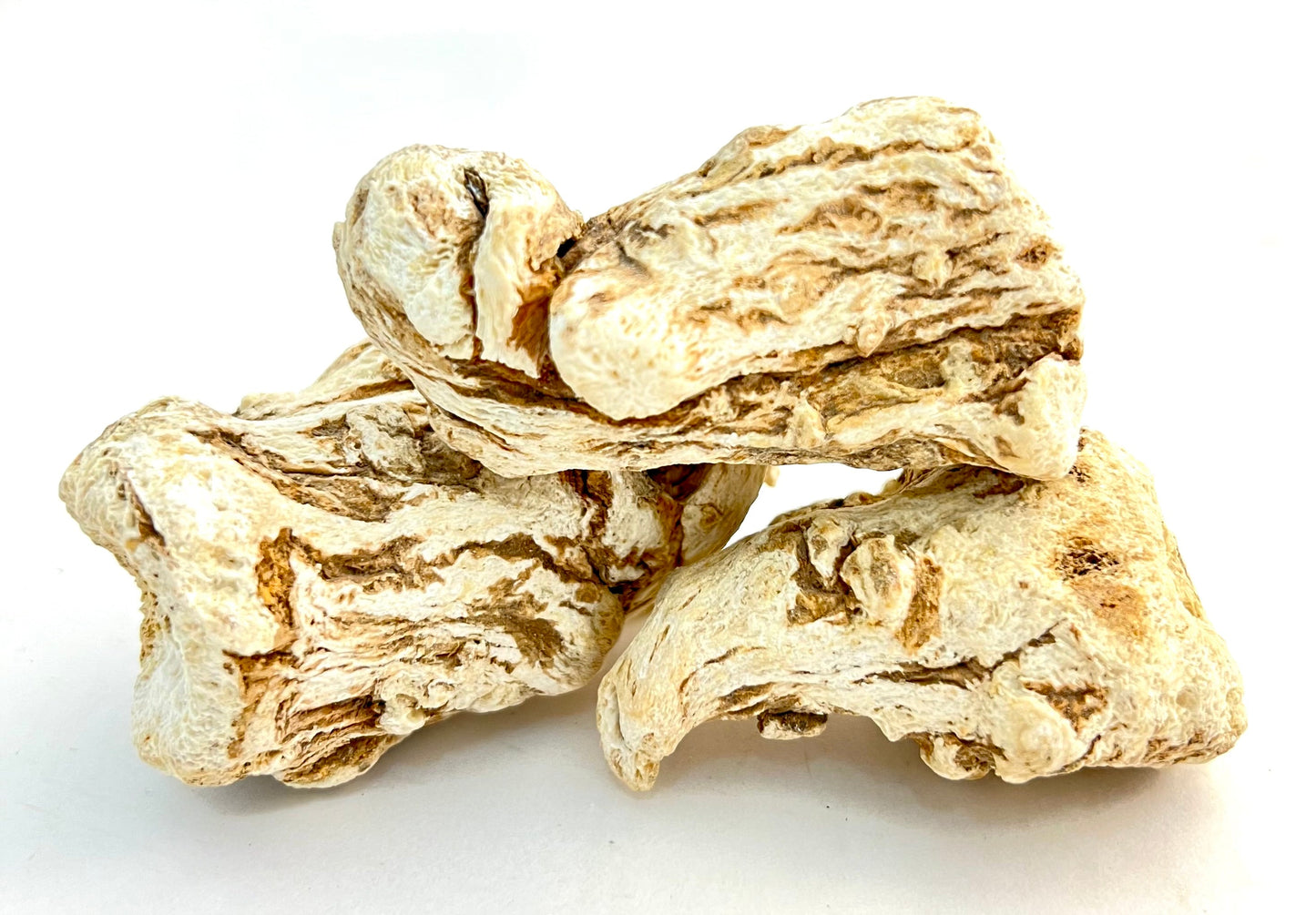
Angelica sinensis, commonly known as dong quai (當歸), or female ginseng, is an herb grown on high altitude mountains in China, Japan, and Korea. It is often used in traditional Chinese medicine to nourish the blood and is particularly valued for its effectiveness in helping women.
What is Dang Gui (当归)?
Dang Gui, also known as Angelica sinensis or “Chinese Angelica Root,” is a traditional Chinese herbal ingredient commonly used in soups, teas, and classical herbal preparations.
It is one of the most well-known herbs in Chinese herbal traditions and is often included in everyday wellness cooking.
Quick Overview
- Chinese name: 当归 (Dang Gui)
- Botanical name: Angelica sinensis
- Part used: Root
- Taste profile: Slightly sweet, earthy, mildly bitter
- Common uses: Soups, herbal teas, traditional formulas
What does Dang Gui taste like?
Dang Gui has a distinct herbal aroma with a balance of:
- mild sweetness
- earthy depth
- slight bitterness
When cooked in soups, it adds a rich, warming, and aromatic flavor that blends well with ingredients like red dates and goji berries.
How is Dang Gui commonly used?
Dang Gui is most often used in food-based preparations, making it approachable even for beginners.
1. Herbal soups
A popular way to use Dang Gui is in traditional Chinese soups.
Common pairings include:
- red dates (jujube)
- goji berries
- chicken or pork
These soups are typically slow-simmered to extract flavor.
2. Herbal teas
Dang Gui can be sliced and steeped with other ingredients to create a mild herbal tea.
3. Traditional herbal formulas
Dang Gui is also used in classical herbal combinations, where it is prepared and balanced with other ingredients.
What is the difference between raw and prepared Dang Gui?
There are two common forms:
-
Raw Dang Gui (生当归)
- More natural, unprocessed
- Often used in soups and general applications
-
Prepared Dang Gui (熟当归 / 酒当归)
- Processed (often with wine)
- Has a slightly deeper aroma and flavor
The choice depends on the intended use and preparation style.
What ingredients go well with Dang Gui?
Dang Gui is often combined with:
- red dates (jujube)
- goji berries
- ginger
- chicken or pork
These combinations are commonly used in home-style cooking.
How do you prepare Dang Gui?
Basic preparation steps:
- Rinse lightly to remove surface debris
- Add to soup or tea
- Simmer for 30–90 minutes depending on recipe
Who typically uses Dang Gui?
Dang Gui is commonly used by:
- people familiar with Chinese cooking
- individuals preparing traditional soups
- those exploring herbal ingredients in food
Is Dang Gui the same as Angelica root?
Dang Gui refers specifically to Angelica sinensis, which is different from other types of Angelica used in Western herbal traditions.
Where can you buy Dang Gui?
Dang Gui is available at Chinese herbal stores and specialty shops that carry traditional herbal ingredients.
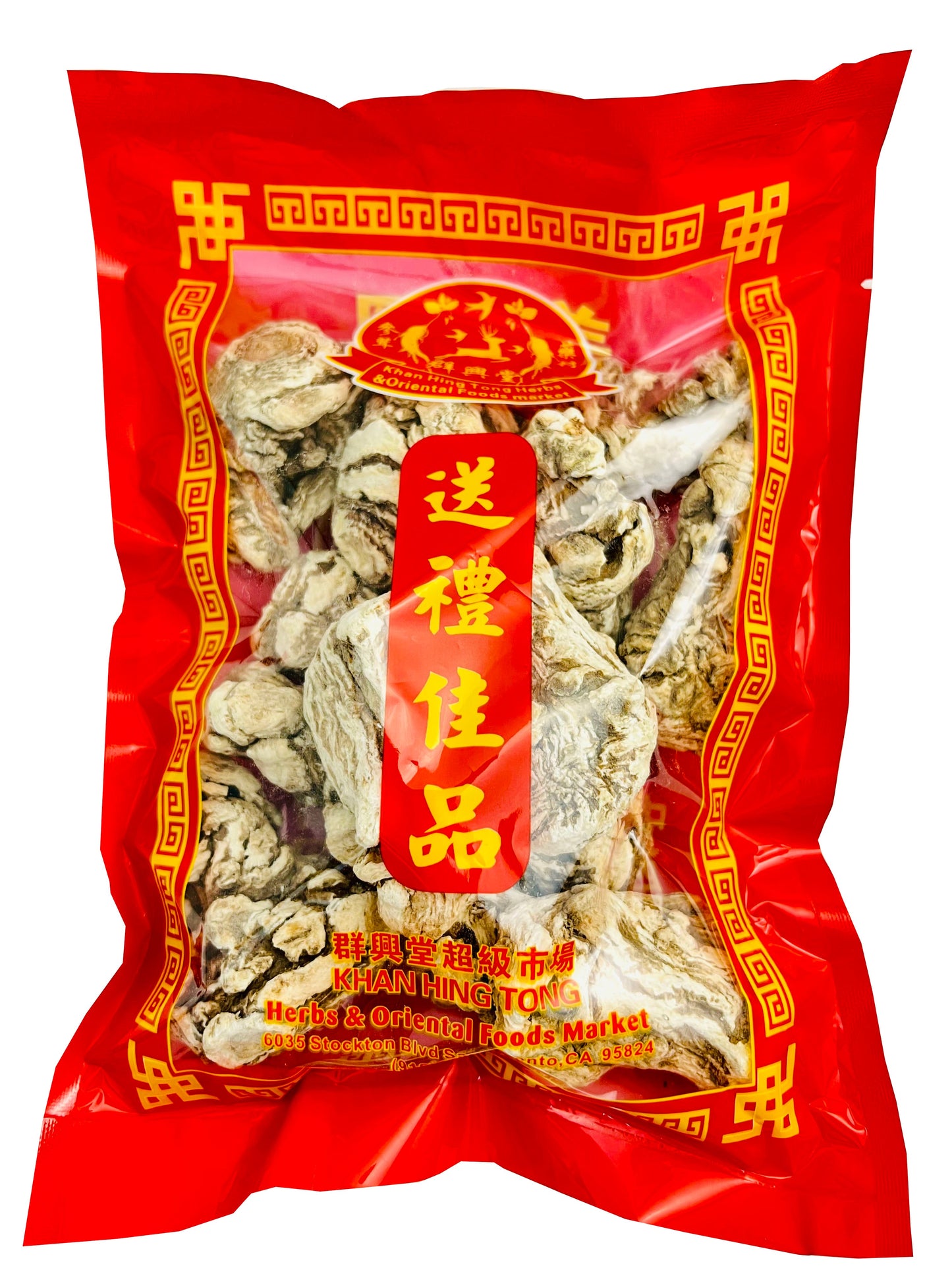
Khan Hing Tong offers a range of Dang Gui products, including different grades and preparation types, with guidance available for selecting suitable options.
Important note
Dang Gui is a traditional herbal ingredient.
It is not intended to diagnose, treat, cure, or prevent any disease.
For personalized guidance, consult a qualified healthcare professional.
Share
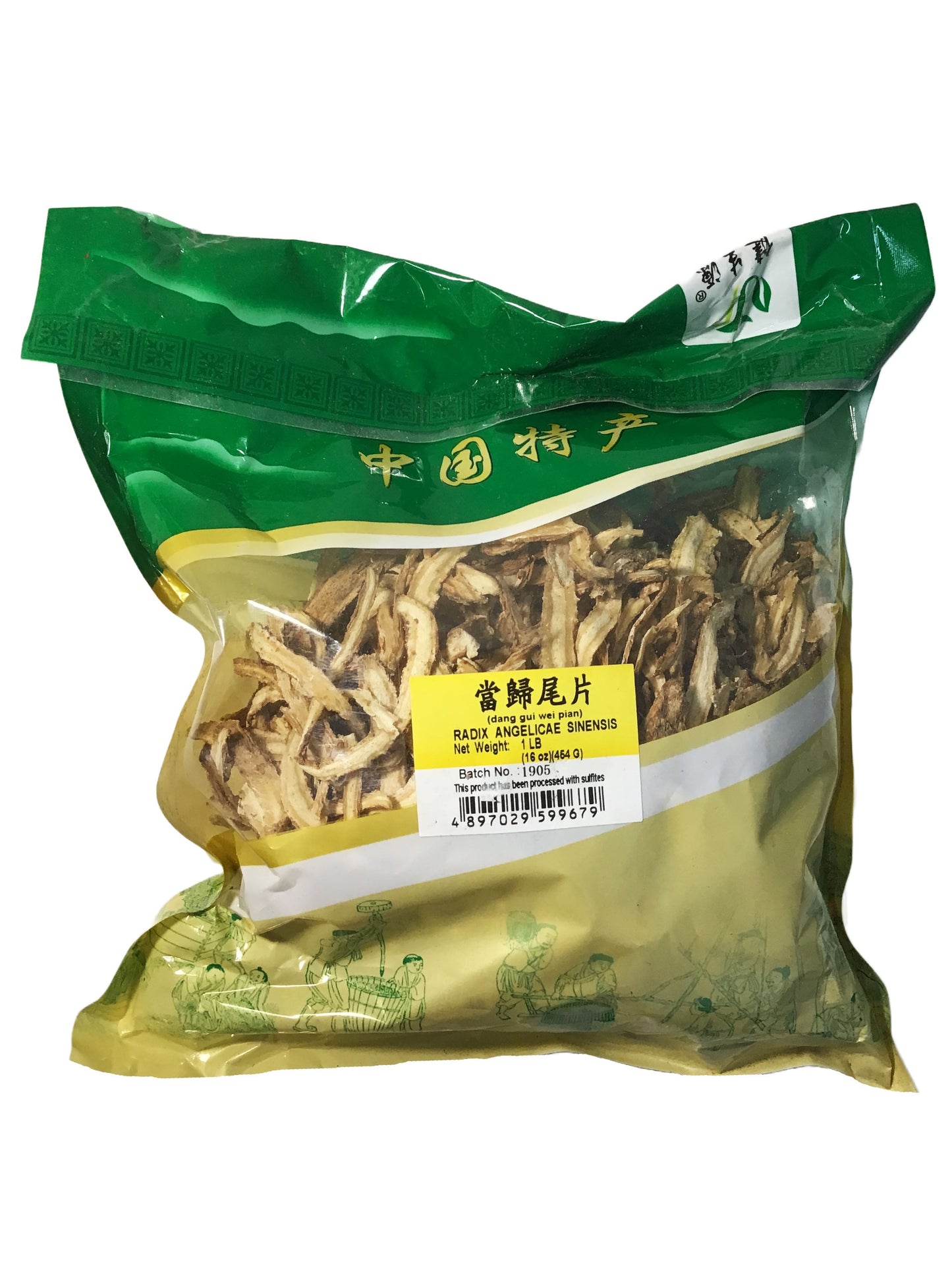
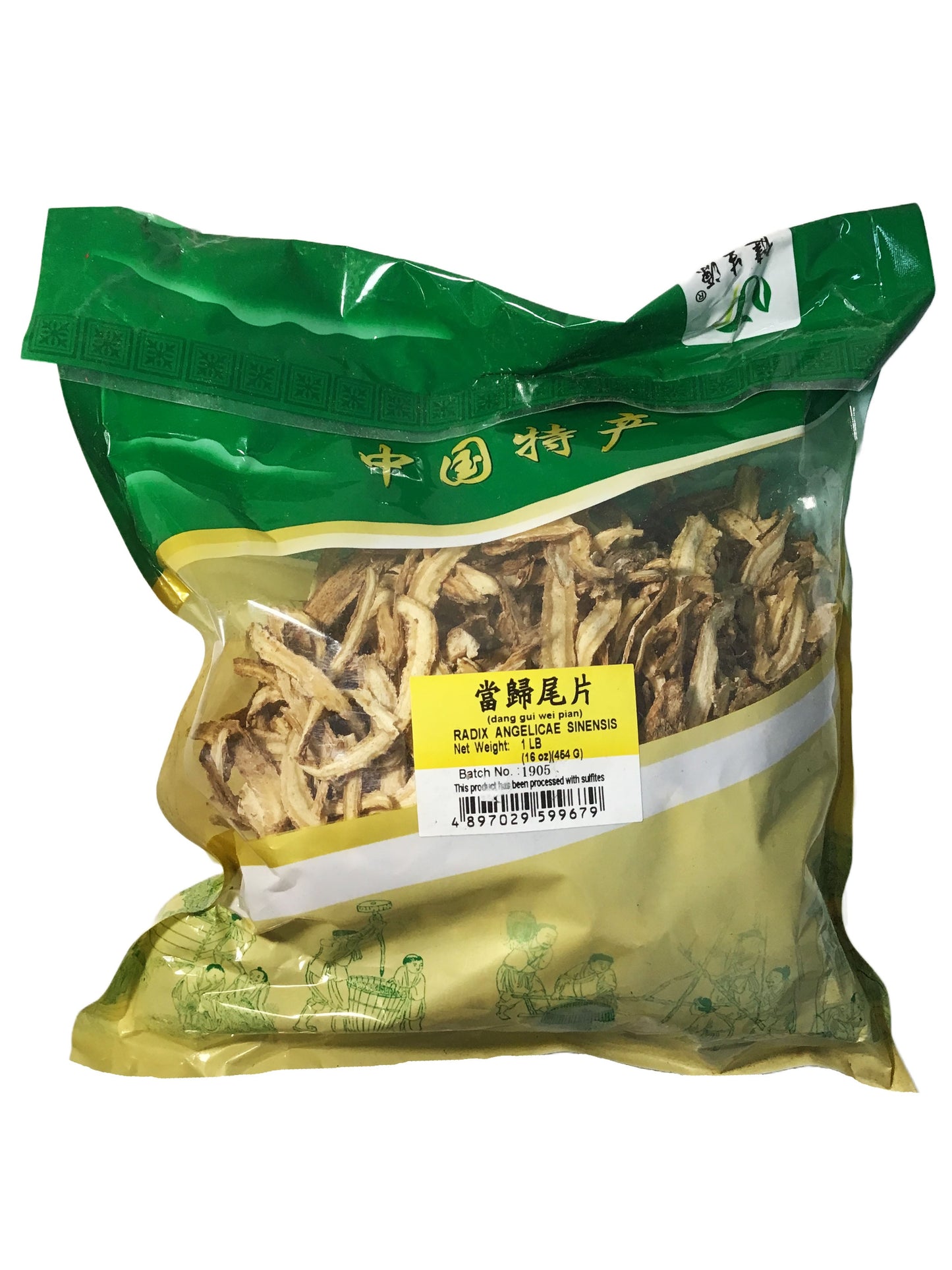
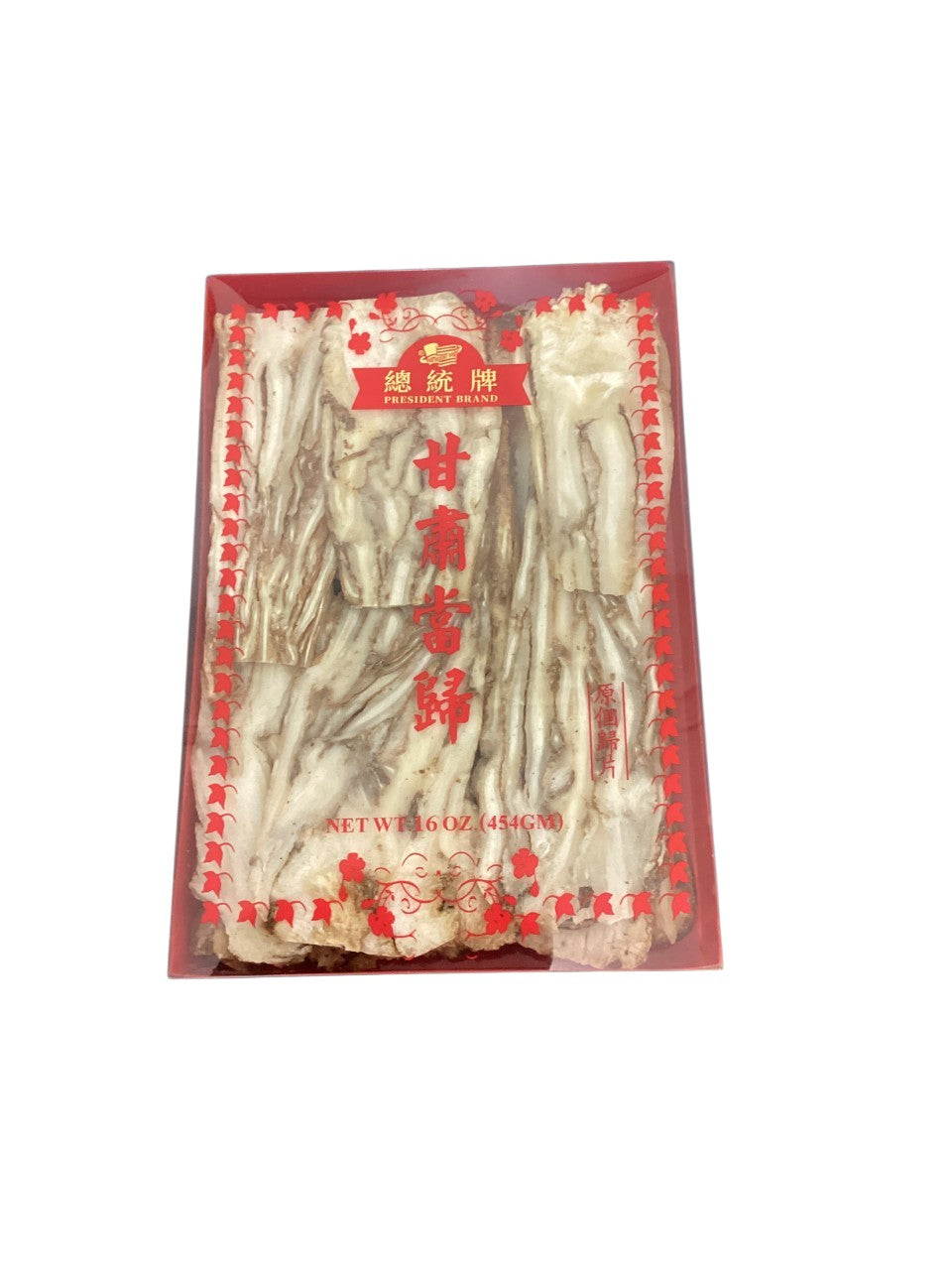
LOOSE, WHOLE HERBS MAY VARY FROM PICTURES DUE TO ITS NATURAL FORM AND CUT. BAG PACKAGING MAY ALSO DIFFER AS WE SOURCE FROM MULTIPLE SOURCES TO ENSURE WE HAVE PRODUCT ON HAND. ALL WILL HAVE LABELS INDICATING SCIENTIFIC NAME, CHINESE NAME, AND WEIGHT.
Disclaimer & Precautions: Statements and descriptions have not been evaluated by the Food and Drug Administration. This product is not intended to diagnose, treat, cure, or prevent any disease. Use Chinese herbs or herbal extracts with caution. Professional advice is suggested. In TCM, Chinese herbs are often combined in the context of formulas to enhance each other's desirable action and to minimize any potential side effect. Consult a professional if you are pregnant or are taking any prescription medications or Western medications as it can cause interference or have a strong effect on the body.
View full details